
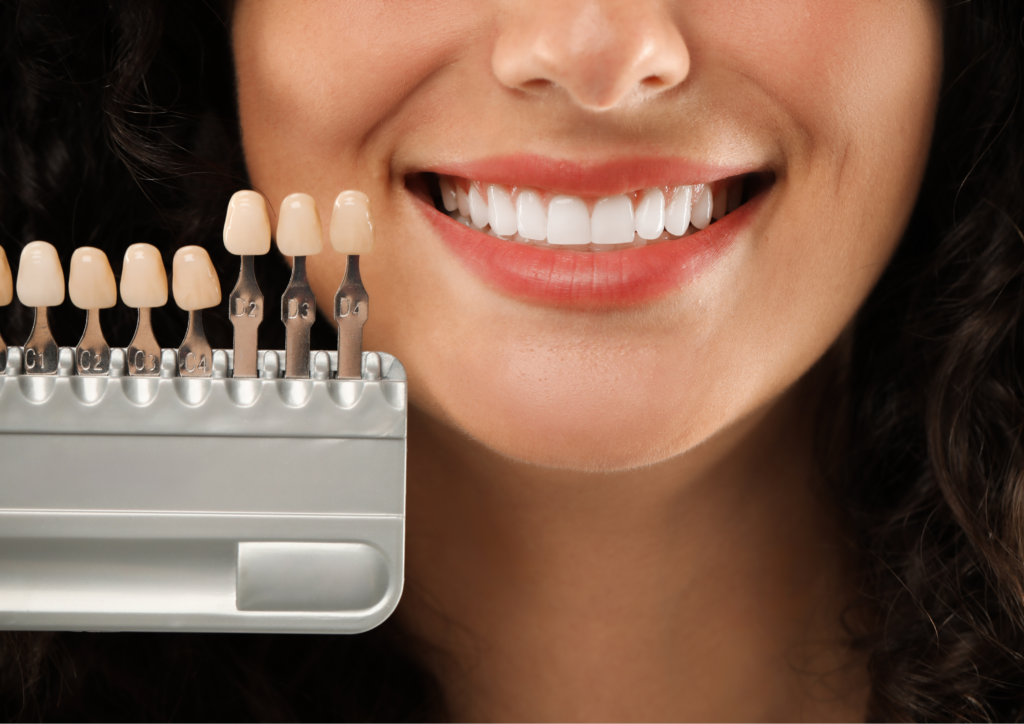
A beautiful smile can boost confidence and leave a lasting impression. Dental veneers have become one of the most popular cosmetic dentistry treatments because they can quickly improve the appearance of stained, chipped, uneven, or slightly misaligned teeth. However, getting veneers is only the first step. Knowing How to Care For Veneers After Treatment is essential if you want them to stay attractive, comfortable, and durable for many years.
Veneers are designed to be strong, but they still require proper maintenance. Daily oral hygiene, smart eating habits, and regular dental visits all play an important role in protecting your investment. Fortunately, caring for veneers isn’t difficult. With a few simple lifestyle changes and consistent dental care, your smile can remain bright and healthy for a decade or even longer.
In this complete guide, you’ll discover expert recommendations, practical aftercare tips, foods to enjoy, habits to avoid, and answers to the most common questions about veneer maintenance.
Understanding Dental Veneers
What Are Dental Veneers?
Dental veneers are ultra-thin shells that are custom-made to cover the front surface of teeth. They improve the color, shape, size, and alignment of teeth while creating a natural-looking smile.
Most veneers are made from porcelain or composite resin. Porcelain veneers are highly durable, stain-resistant, and closely resemble natural enamel. Composite veneers are more affordable and can often be completed in a single appointment.
Dentists recommend veneers for people who have:
- Discolored teeth
- Chipped or cracked teeth
- Small gaps between teeth
- Uneven tooth shape
- Worn-down teeth
- Mildly crooked teeth
Although veneers are durable, they are not indestructible. That’s why learning How to Care For Veneers After Treatment is so important.
Types of Dental Veneers
There are two primary types of veneers available.
Porcelain Veneers
Porcelain veneers are considered the gold standard in cosmetic dentistry because they offer:
- Excellent durability
- Natural appearance
- High stain resistance
- Lifespan of 10–15 years or more
Composite Veneers
Composite veneers provide several advantages, including:
- Lower cost
- Faster treatment
- Easier repairs
- Less removal of natural tooth structure
However, they usually last between five and seven years and are more likely to stain over time.
Why Proper Veneer Aftercare Matters
Many people believe veneers require no maintenance because they cannot develop cavities. While the veneer material itself cannot decay, the natural tooth underneath still can.
Proper aftercare helps you:
- Extend veneer lifespan
- Prevent gum disease
- Protect natural teeth
- Reduce repair costs
- Maintain a bright smile
- Avoid unexpected dental emergencies
Think of veneers as an investment. Just like a luxury car, they perform best when maintained regularly.
Benefits of Good Veneer Maintenance
Taking care of veneers offers several long-term benefits.
- Longer Lifespan
- Patients who follow good oral hygiene habits often enjoy their porcelain veneers for over 15 years.
- Better Appearance
- Clean veneers stay shiny and maintain their natural color.
- Healthier Gums
- Healthy gums support veneers and prevent gum recession that could expose veneer edges.
- Lower Dental Costs
- Preventive care reduces the need for replacements and repairs.
- Improved Confidence
- A healthy smile helps you feel more comfortable during conversations, photos, and social events.
Common Mistakes to Avoid
Many veneer problems happen because of everyday habits that people don’t realize are harmful.
Avoid these common mistakes:
- Using teeth to open packages
- Biting fingernails
- Chewing ice
- Cracking nuts with teeth
- Biting hard candies
- Ignoring gum bleeding
- Skipping dental checkups
- Using abrasive whitening toothpaste
- Grinding teeth at night
Even though porcelain is strong, repeated pressure can eventually lead to cracks or chips.
Daily Oral Hygiene Routine
The foundation of How to Care For Veneers After Treatment begins with excellent oral hygiene.
Your daily routine should include:
- Brushing twice daily
- Flossing every day
- Cleaning your tongue
- Using antibacterial mouthwash
- Drinking plenty of water
These habits help prevent plaque buildup and keep both veneers and natural teeth healthy.
Brushing Techniques
Brush gently using a soft-bristled toothbrush.
Follow these steps:
- Hold the brush at a 45-degree angle.
- Brush gently using circular motions.
- Spend at least two minutes brushing.
- Clean along the gumline carefully.
- Brush twice every day.
Avoid aggressive scrubbing because it may wear down the bonding material over time.
Electric toothbrushes with pressure sensors are also an excellent option.
Flossing Correctly
Many people skip flossing, but it’s one of the most important steps after veneer treatment.
Daily flossing helps remove plaque between teeth where brushes cannot reach.
When flossing:
- Slide floss gently between teeth.
- Curve it around each tooth.
- Avoid snapping floss against veneers.
- Use gentle up-and-down motions.
Water flossers are also effective for patients with multiple veneers.
Choosing the Right Toothpaste and Mouthwash
Not every toothpaste is suitable for veneers.
Choose products that are:
- Non-abrasive
- Fluoride-containing
- Gentle on enamel
- Designed for sensitive teeth if needed
Avoid toothpaste containing charcoal or harsh whitening particles.
Alcohol-free mouthwash is generally recommended because it is gentler on bonding materials.
Foods and Drinks to Eat and Avoid
One of the most important aspects of How to Care For Veneers After Treatment is making smart food choices. While veneers are durable, the bonding material and your natural teeth still need protection. A balanced diet not only supports your oral health but also helps keep your veneers looking bright and polished.
Best Foods for Veneers
During the first few days after your veneer treatment, stick to soft foods that are easy to chew. This gives your mouth time to adjust and minimizes unnecessary pressure on the veneers.
Healthy foods include:
- Yogurt
- Scrambled eggs
- Oatmeal
- Mashed potatoes
- Rice
- Pasta
- Soft fruits like bananas
- Cooked vegetables
- Fish
- Chicken
- Smoothies (without excessive sugar)
These foods are gentle on your teeth and provide the nutrients your gums need to heal and stay healthy.
Foods That Can Damage Veneers
Although porcelain veneers are strong, certain foods can increase the risk of chipping or loosening them over time.
Avoid or limit:
- Ice cubes
- Hard candies
- Popcorn kernels
- Nuts cracked with your front teeth
- Hard biscuits
- Sticky caramel
- Chewing gum excessively
- Very hard bread crusts
Instead of biting directly into hard foods like apples or corn on the cob, cut them into smaller pieces.
Tips for Drinking Coffee, Tea, and Wine
Porcelain veneers resist stains better than natural teeth, but the edges where veneers meet your natural enamel can still discolor over time.
To reduce staining:
- Drink water after coffee or tea.
- Use a straw for cold beverages.
- Limit dark-colored drinks.
- Brush about 30 minutes after consuming acidic beverages.
- Rinse your mouth if brushing isn’t possible.
Red wine, coffee, black tea, and cola are among the most common stain-causing drinks. Moderation is the key.
Lifestyle Habits That Protect Veneers
Your everyday habits play a major role in determining how long your veneers last. Even small changes can significantly extend their lifespan.
Stop Using Your Teeth as Tools
Many people unconsciously use their teeth to:
- Open plastic packaging
- Tear tape
- Remove bottle caps
- Bite pens or pencils
These habits place excessive pressure on veneers and can lead to cracks or chips.
Always use the proper tools instead.
Avoid Teeth Grinding (Bruxism)
Grinding your teeth, especially during sleep, is one of the biggest threats to veneers.
Signs of bruxism include:
- Morning jaw pain
- Frequent headaches
- Worn teeth
- Sensitive teeth
- Clicking jaw joints
If you grind your teeth, your dentist may recommend a custom-made night guard. Wearing it while sleeping protects both your veneers and your natural teeth from excessive pressure.
Wear a Mouthguard During Sports
If you participate in contact sports or activities with a risk of facial injury, always wear a custom-fitted mouthguard.
Sports such as:
- Football
- Basketball
- Boxing
- Martial arts
- Hockey
- Cricket
can expose your veneers to accidental trauma. A mouthguard absorbs impact and helps prevent expensive repairs.
Quit Smoking
Smoking affects more than just your overall health—it can also reduce the beauty of your smile.
Smoking may lead to:
- Gum disease
- Bad breath
- Gum recession
- Staining around veneer edges
- Increased plaque buildup
Healthy gums are essential for supporting veneers. Quitting smoking is one of the best decisions you can make for your oral health.
Limit Alcohol Consumption
Some alcoholic beverages are acidic and may weaken the bonding cement over time. Additionally, excessive alcohol consumption can contribute to dry mouth, allowing bacteria to multiply more easily. Drink responsibly and stay hydrated by drinking plenty of water.
Professional Dental Care
Even with excellent home care, regular dental visits remain essential.
Professional monitoring allows your dentist to identify small problems before they become serious.
Schedule Regular Dental Checkups
Visit your dentist every six months unless advised otherwise.
During your appointment, your dentist will:
- Examine veneer condition
- Check bonding strength
- Inspect gum health
- Look for cavities around veneers
- Evaluate your bite
Early detection often prevents costly repairs.
Professional Dental Cleaning
Professional cleaning removes plaque and tartar that brushing cannot eliminate.
Your dental hygienist will use instruments that are safe for veneers and polish your teeth carefully to maintain their natural shine.
Professional cleaning also helps prevent gum disease, which can shorten the lifespan of veneers.
When Should You Contact Your Dentist?
Although veneers are designed to last many years, certain symptoms require prompt attention.
Contact your dentist if you notice:
- A chipped veneer
- Loose veneer
- Persistent sensitivity
- Pain while biting
- Swollen gums
- Bleeding gums
- Bad odor around veneers
- Changes in your bite
Never attempt to repair a veneer yourself using household glue or over-the-counter products.
Expert Tips for Making Veneers Last Longer
Dentists often recommend these simple habits:
- Brush twice daily with a soft-bristled toothbrush.
- Floss every day.
- Use fluoride toothpaste.
- Wear a night guard if you grind your teeth.
- Visit your dentist every six months.
- Drink more water throughout the day.
- Eat a balanced diet rich in vitamins and minerals.
- Avoid smoking.
- Reduce sugary snacks.
- Don’t chew on hard objects.
These small habits can help your veneers remain beautiful for well over a decade.
According to the American Dental Association (ADA), maintaining excellent oral hygiene and attending routine dental visits are essential for preserving both natural teeth and cosmetic dental restorations.
Frequently Asked Questions (FAQs)
1. How long do dental veneers last?
The lifespan of dental veneers depends on the material used and how well they are maintained. Porcelain veneers typically last 10 to 15 years, and in many cases even longer with proper care. Composite veneers generally last 5 to 7 years. Following the best practices for How to Care For Veneers After Treatment can significantly extend their lifespan.
2. Can I eat normally after getting veneers?
Yes, you can return to your normal diet once your dentist confirms your veneers are fully bonded and your mouth has adjusted. However, avoid biting directly into very hard foods such as ice, hard candies, or popcorn kernels. Cutting hard foods into smaller pieces helps reduce unnecessary pressure on your veneers.
3. Do veneers require special toothpaste?
No special toothpaste is required, but it is best to choose a non-abrasive fluoride toothpaste. Avoid charcoal-based or highly abrasive whitening toothpastes, as they can damage the polished surface of veneers or wear down the bonding material over time.
4. Can veneers stain?
Porcelain veneers are highly resistant to staining, but the natural teeth around them and the bonding edges can still become discolored. To keep your smile looking its best:
- Limit coffee, tea, and red wine.
- Rinse your mouth with water after consuming staining foods or drinks.
- Maintain a consistent brushing and flossing routine.
- Schedule regular professional cleanings.
5. Is teeth whitening safe for veneers?
Traditional teeth whitening treatments do not change the color of porcelain or composite veneers. If your natural teeth become whiter, the veneers may no longer match. Always consult your cosmetic dentist before using whitening products to ensure a consistent smile.
6. Should I wear a night guard if I grind my teeth?
Absolutely. Teeth grinding (bruxism) places excessive pressure on veneers and can lead to chips, cracks, or premature wear. A custom-made night guard provides excellent protection while you sleep and helps preserve both your veneers and natural teeth.
7. How often should I visit the dentist after getting veneers?
Most dentists recommend scheduling a dental checkup and professional cleaning every six months. These visits allow your dentist to monitor the condition of your veneers, assess your gum health, and detect any issues early before they become major problems.
Final Expert Recommendations
Caring for veneers doesn’t have to be complicated. Small, consistent habits make the biggest difference over time. By following a daily oral hygiene routine, choosing tooth-friendly foods, avoiding harmful habits, and visiting your dentist regularly, you can enjoy a healthy, confident smile for many years.
Here are the key takeaways:
| Do | Avoid |
| Brush twice a day with a soft-bristled toothbrush | Chewing ice or hard candies |
| Floss daily | Using your teeth to open packages |
| Use non-abrasive fluoride toothpaste | Biting fingernails or pens |
| Visit your dentist every six months | Skipping dental appointments |
| Wear a night guard if you grind your teeth | Smoking and excessive alcohol |
| Eat a balanced, tooth-friendly diet | Frequent sugary snacks and drinks |
Conclusion
A beautiful smile is an investment worth protecting. Learning How to Care For Veneers After Treatment is the key to maintaining the appearance, comfort, and durability of your dental veneers. While veneers are designed to be strong and long-lasting, their success depends largely on your daily habits and commitment to good oral health.
Simple practices such as brushing twice a day, flossing daily, eating a balanced diet, avoiding hard foods, and attending regular dental check-ups can dramatically increase the lifespan of your veneers. Equally important is protecting them from unnecessary damage by avoiding teeth grinding, quitting smoking, and wearing a mouth guard during sports or other high-impact activities.
Remember, veneers enhance your smile, but the natural teeth and gums supporting them still require proper care. By following the advice in this guide on How to Care For Veneers after Treatment, you can enjoy a confident, healthy, and radiant smile for many years to come.
If you’ve recently received veneers or are considering the procedure, consult an experienced cosmetic dentist who can provide personalized aftercare recommendations based on your unique dental needs. A little care today can help your smile remain bright and beautiful for years ahead.